
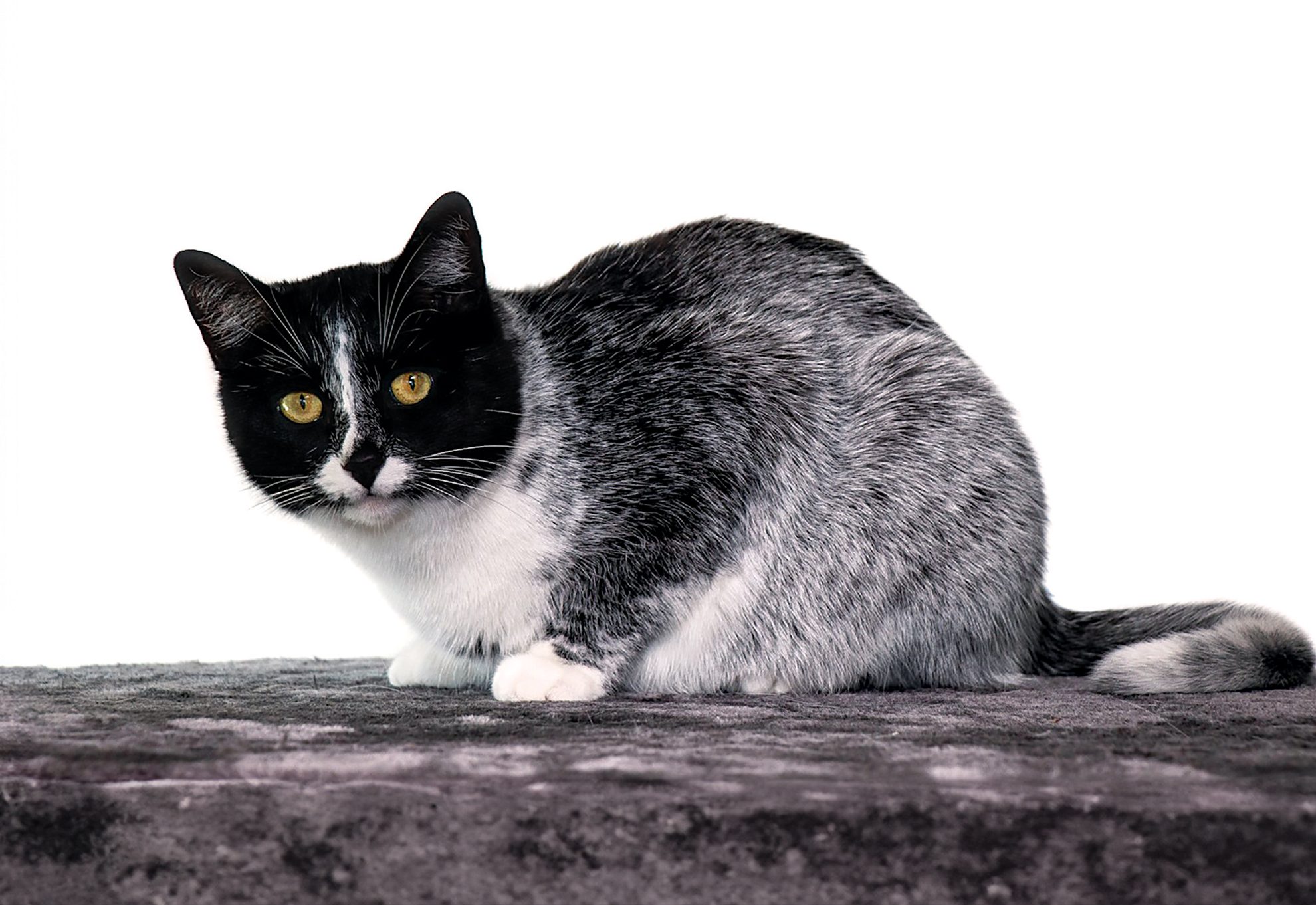

A genetic mutation behind the Finnish “salty licorice” cats has been identified
Last update:
Read the synopsis
Featured image: Ari Kankainen
Hthere is some fun science! A collaboration between the University of Helsinki in Finland and pet genetics testing company Wisdom Panel has identified the genetic mutation behind a newly discovered “salty licorice” coat color seen in some Finnish cats.
A stunning new cat coat pattern nicknamed “salty licorice” is turning heads in the cat world. With its unusual mix of black fur sprinkled with white hair, the look resembles the famous Nordic candy that bears its name. Now, scientists say this eye-catching pattern isn’t just a weird color shift—it’s the result of a newly identified genetic mutation, providing new insight into how cats’ coats develop.
Salted Licorice or Salmiak Cats
The amazing “licorice” cats with their distinctive white fur pattern were first spotted in the Finnish village of Petäjävesi more than 15 years ago. They were given the name “salmiak” or “salty licorice” by researchers because of the similarity in color of the unique coat with the famous Finnish candy—black licorice with white salt dots.

AdobeStock/Tobias Arhelger
The name “salmiak” or “salted licorice” comes from a famous Finnish candy: black licorice filled with white salt.
Rare Cat Coat
Salted licorice cats look similar to tuxedo cats but have a different color: ombré strands of fur that start out black underneath before fading to white. These females have black markings on their faces, but their fur gradually becomes whiter towards the back of their bodies, ending with the tip of the tail being mainly white.
A New “Licorice Salted” Cat Coat Pattern Linked to Genetic Mutation
Geneticist Hannes Lohi and his research team at the University of Helsinki—which houses a biobank of 5,000 blood samples from more than 40 species—were curious about how these cats got their unique appearance, so they studied their DNA, and cat owners and breeders donated their cat’s DNA for research.

Photo: Ari Kankainen
A study by scientists, published in the journal Animal Genetics In May, they discovered that a novel genetic mutation is responsible for the unique fur pattern.
Cat Genetic Modification
The team named the genetic variant w-sal, for salmiak. Each salmiak cat had two copies of the duplicated gene. A few other cats had one copy (which does not result in the unique salty licorice color), while some normally colored cats did not.
The gene is a variant of the KIT proto-oncogene (KIT) gene, “associated with the absence of melanocytes in the skin and hair follicles,” the researchers found. The genes that give cats and dogs white fur can sometimes cause deafness, although that doesn’t seem to be the case with w-salmiak.
Feline Genetics
Lohi says the main goal of this work is, “to understand the molecular and environmental causes of the disorder in females.”
Will salty licorice cats be the next big thing?
“It is possible that farmers will choose to improve the population of salted cats,” said Lohi. “However, the health of cats with licorice salts should be closely followed to ensure the absence of any health problems related to the color.”