
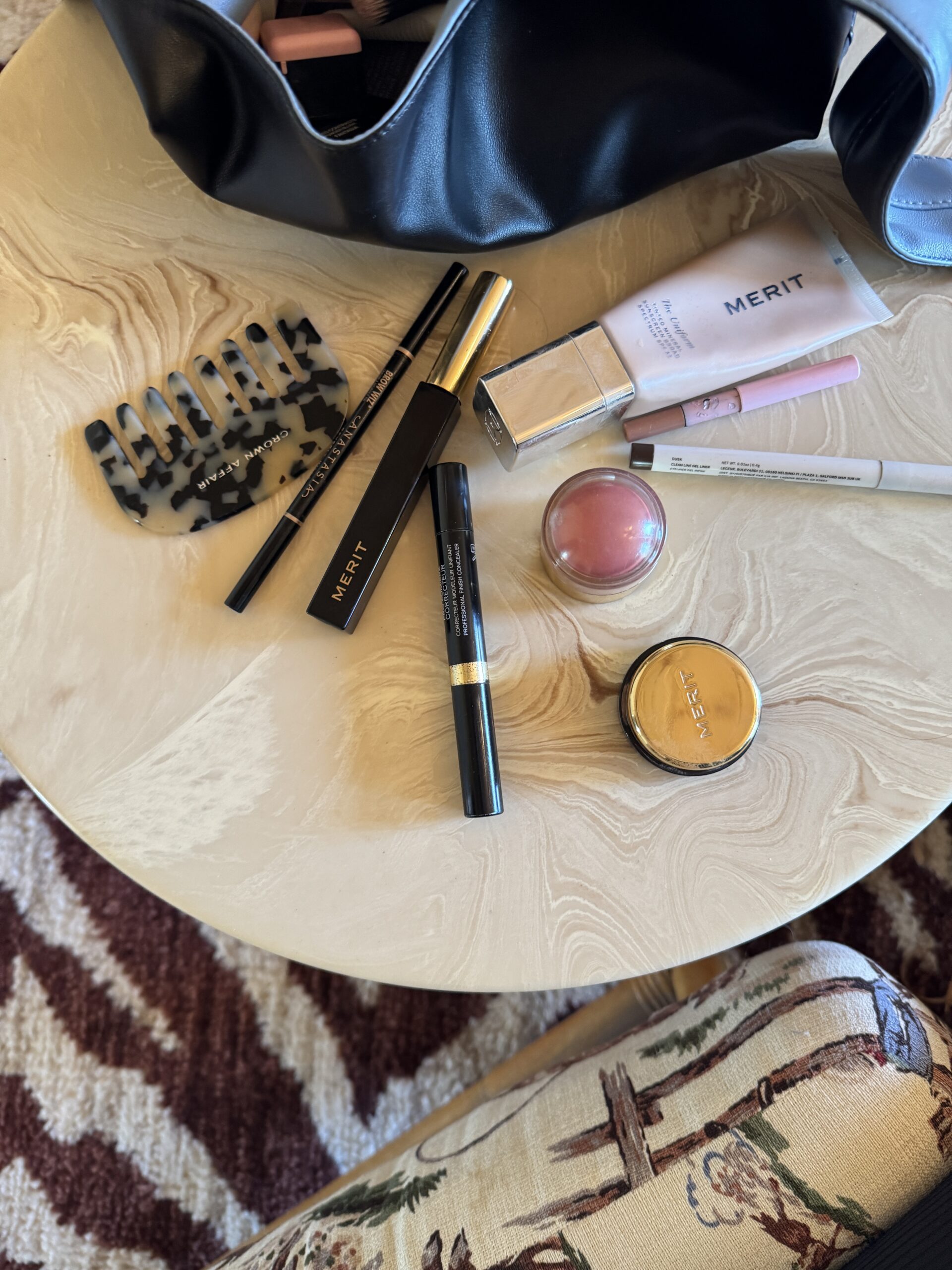
I love the clean beauty movement. Better ingredients and more transparency is a step in the right direction.
But as a professional editor, I’ve seen that it can quickly turn into another kind of clutter.
People replace existing products, chase the latest “clean” launch, and end up with drawers full of bottles that have never been used.
Clean beauty doesn’t mean buying more.
Often, the most thought-out principle is simple less but better.
Here are six ways to approach clean beauty with care.
1. Finish Before Restoring
One of the easiest ways to avoid beauty clutter is to get rid of what you already have before buying something new.
The clean beauty trend has encouraged many people to switch beauty products in the name of “better ingredients.” But continuous improvement tends to create more waste, not less.
When you fully exhaust products before replacing them, you naturally become more thoughtful about what really should have a place in your routine.
2. Stick to a Few Trusted Brands
Simple practice often comes from consensus.
Instead of constantly checking out new products, many people find it easier to pick one or two brands they trust and build a routine around them.
Some brands even design simple methods that are meant to be completed in just a few minutes. Starting with a simplified system and tweaking it little by little can be much easier than managing a bunch of products.
My favorite clean beauty products? I love Merit, Ilia, and Saie for Makeup and Oak Essentials for healthy, sustainable skin care.
3. Use Your Samples
Samples are intended for use, not storage.
Many of us collect samples from beauty counters, online orders, or subscription boxes and forget about them altogether. Using samples first can help you find out what works before committing to full-size products.
It is also one of the easiest ways to prevent unnecessary purchases.
4. Cross-Check Ingredients
“Clean” doesn’t have a single, controlled definition in the beauty industry, which means labels can sometimes be misleading.
If you want to know about ingredients, other tools can help. Some dermatologists and estheticians offer apps that allow consumers to check whether ingredients may be comedogenic or problematic for certain skin types.
Taking a moment to research the ingredients is often more helpful than relying on marketing claims alone. My friend and Esthetician Biba has her own pore clogger tester.
5. Organize Your Outdated Products
Just like a closet or a kitchen, beauty products need regular organization.
Many pure beauty formulas contain fewer preservatives, which means they can expire quickly. If products sit for years untouched in the cupboards, they can reduce or increase bacteria.
If something is out of date or hasn’t been used in months, it may be time to let it go. A planned cycle works best if all the products in it are things you actually use.
6. Look for Transparency, Not Buzzwords
Consumers are more aware that the names are similar it is clean, naturalagain green are often used liberally in advertising.
Regulators in Europe and the UK have introduced guidance on environmental claims to reduce persistent misleading messages and greenwashing in industries including beauty.
At the same time, beauty brands are navigating increasingly complex digital markets where a brand’s message must be clear and consistent. Since I often work with influential people, I was happy to find out that some companies are working with experts, including a full-service Amazon agency for beautyto help manage their online presence while ensuring that product information and claims are communicated responsibly.
The Bottom Line
Clean beauty doesn’t mean buying more products.
Sometimes the most sustainable schedule is just that purposeful, regularly scheduled, and built around a few products that really work for you. For more ideas for clean, clutter-free beauty, check out 15 Things You Should Quit Now: Bath and Beauty Edition.
In a world of endless product launches, choosing a few things and choosing thoughtfully may be the cleanest beauty trend of all.