
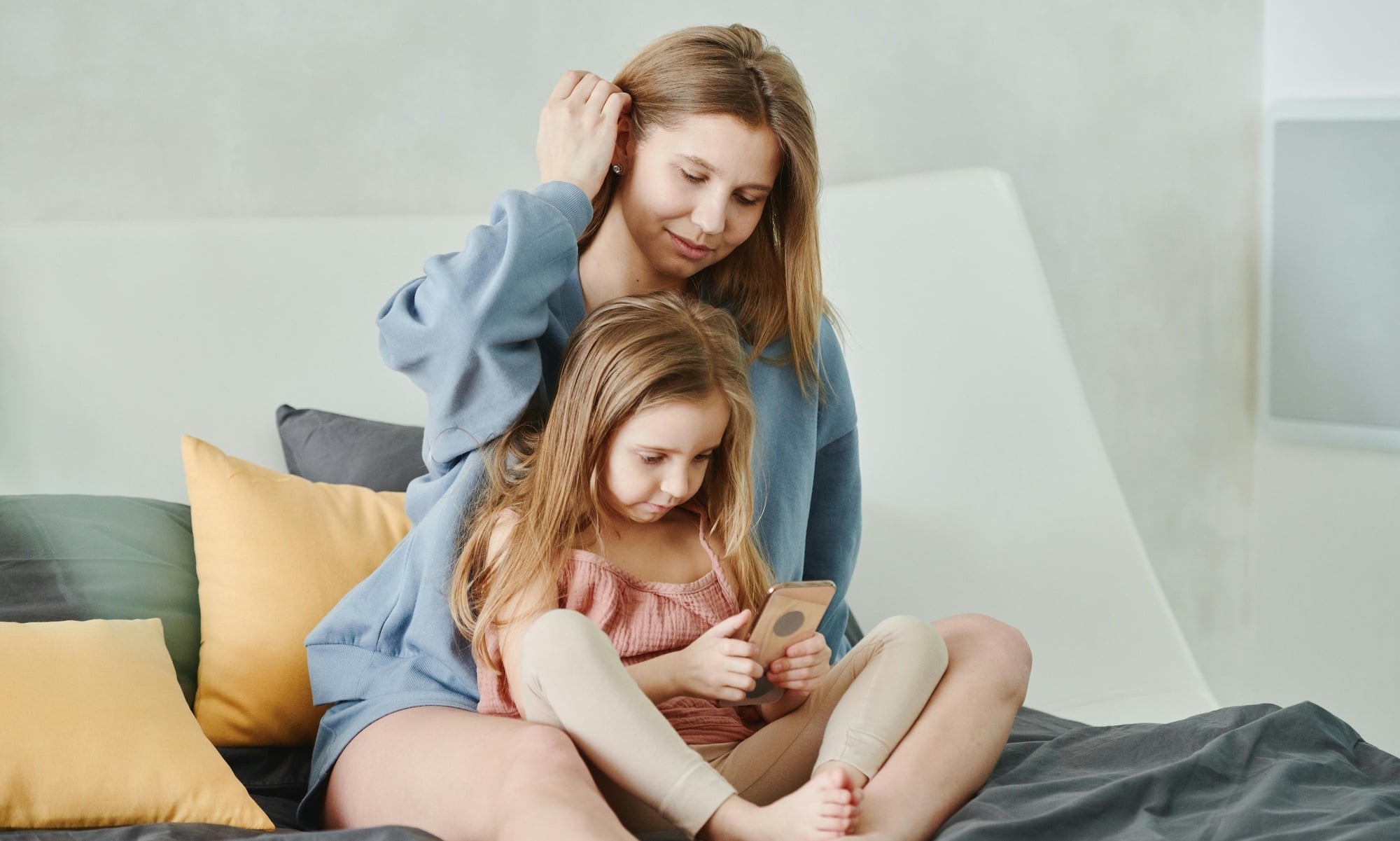
As a parent, I don’t think elementary school kids need smartphones. But life doesn’t always go well. Sometimes they need a way to drive home, text family, or stay connected after school.
When that day comes, Apple’s latest child safety features make the iPhone feel like one of the safest options available—not because technology can replace parental guidance, but because it gives parents more meaningful control over it.
That’s the lens that brought me to the whole conversation about child safety with Apple after the company previewed a new set of tools for parents near its WWDC 2026 keynote on June 8. The features are scheduled to ship this fall with iOS 27, iPadOS 27, and macOS 27.
I’ve read the research, and it’s not subtle. The US Surgeon General’s 2023 advisory notes that up to 95% of 13- to 17-year-olds use social media, and nearly 40% of 8- to 12-year-olds do too—while warning that science cannot call these platforms safe for young people.
Apple’s New Child Safety Features Actually Address My Biggest Concerns
Instead of rehashing every press release, here’s what stood out to me as a parent.
First, Children’s Accounts hold it up in front. Setting one enables age-based protection for the entire system—restricting adult sites, limiting App Store access, and filtering media from the moment the device turns on. It’s required for children under 13 and available up to 18, so the safe default isn’t something I have to remember to turn on. an apple
Second, i consent factors. With Ask to Buy, my kid can’t download an app or make a purchase without my opt-out, and the new Ask to Browse book extends that same concept to the web—kids have to ask permission before opening a new website in Safari, and it works across iPhone, iPad, and Mac. As someone who would rather approve a website request than find out my child accidentally navigated to it, that level of control really appeals to me. MobileSyrup
Thirdly, communication controls. Parents may require permission before a child can communicate with any new contact via Messages, FaceTime, or Phone. Apple’s Communication Safety already automatically dims nudity for under-18s, and will now step in to block dangerous or violent content in shared photos and videos.
Fourthly, Time Allowances and a redesigned Screen Time. I can group time into categories—gaming, social, entertainment—relying on Apple’s age-based suggestions as a starting point, and completely stop the device mid-dinner with a tap.
For Parents on the Phone, Apple Makes a Stronger Case Than Ever
I’ll be real: none of this is going to talk me into giving an 8-year-old a phone. The healthiest digital trend of the moment is still “going out.”
But the framework is important. As Apple’s VP of Health and Fitness put it at the launch, the goal is tools that allow parents to plan their kids’ digital journeys rather than a one-size-fits-all lockdown—and that’s the right idea. If your child already needs the device for practical reasons, baking these protections at the operating system level is more responsible than hoping that all applications will behave.
So no—Apple hasn’t changed my mind about kids and smartphones. It has changed my mind about which smartphone I would like to put in my child’s hands.
Lauren has been writing and editing since 2008. She loves working with text and helping writers find their voice. When she is not typing on her computer, she is cooking and traveling with her husband and two children.