
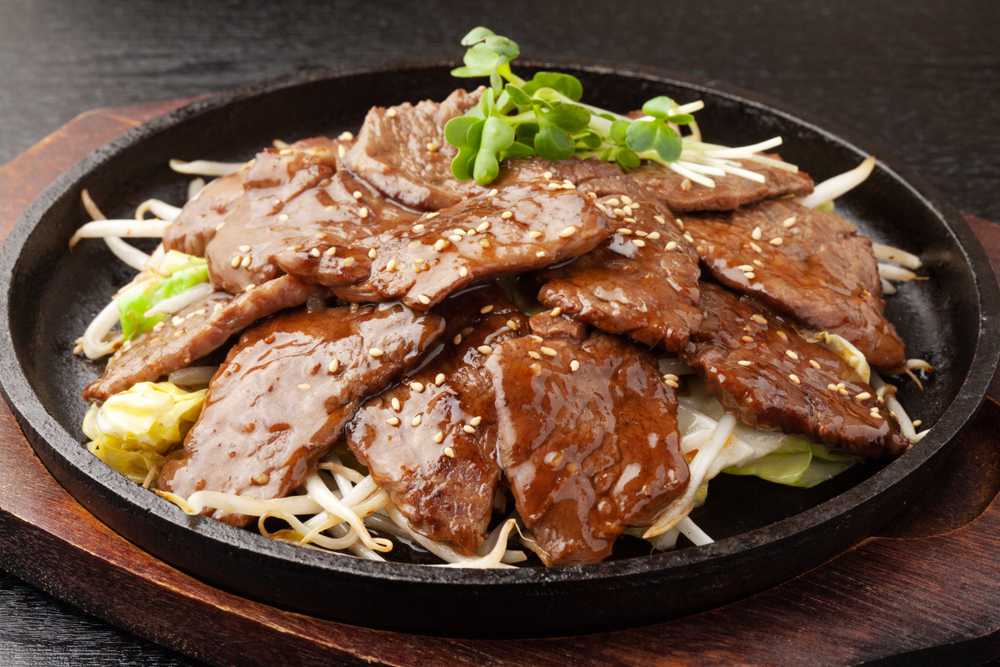
Hot beef on a hot griddle turns dinner into a show before the first bite. Thin slices of beef are quickly seared with soy sauce, garlic, ginger, sesame oil, and a touch of sweetness, creating a flavor that coats the meat without hiding it.
Vegetables such as zucchini, onions, mushrooms, and peppers cook alongside the beef, soaking in the same sauce. Serve everything with fried rice, noodles, or steamed rice on a plate that feels good to share. Perfect for a weeknight, family dinner, or times when you want restaurant-style cooking at home. Finish with sesame seeds and green onions for extra flavor.
Why This Recipe Works
This recipe works because the beef is cut thin, so it cooks quickly and stays tender. Soy sauce, garlic, sesame oil, and ginger make for a sweet, slightly nutty flavor, while the hot skillet helps create the brown edges.
It’s also easy to customize. You can use different vegetables, adjust the sauce, or serve it with rice, fried rice, noodles, or dipping sauces. It cooks in minutes, making it perfect for busy nights when you want a quick meal that still feels special.

Ingredients
Beef Steak: Thinly ground beef cooks quickly and stays tender. Sirloin, ribeye, or New York strip work well.
Substitution: Use flank steak, skirt steak, or chicken if desired.
Soy sauce: Soy sauce gives the dish a nice salty taste.
Substitutes: Use low-sodium soy sauce, tamari, or coconut aminos.
Garlic: Garlic adds a warm, bold flavor to the beef and sauce.
Ingredients: Use ½ teaspoon of garlic powder if fresh garlic is not available.
Vegetables: Zucchini, mushrooms, onions, and bell peppers add color, crunch, and freshness.
Substitute: Use broccoli, carrots, snap peas, or asparagus.
Sesame Oil: Sesame oil adds a nutty flavor that completes the dish.
Substitute: Use olive oil or vegetable oil, but the taste will be milder.
Tips
- Cut the beef thinly so it cooks quickly and remains tender.
- Pat the beef dry before cooking to sear it instead of heating it.
- Use a hot skillet or griddle to get the best brown edges.
- Do not overfill the pan; cook in batches if needed.
- Serve quickly because teppanyaki tastes best hot and fresh.

How to Serve
Teppanyaki beef is best served hot from a skillet with rice, noodles, or vegetables. It works well as a quick dinner, a rice bowl, or a homemade hibachi-style meal.
- Serve over hot white rice or fried rice for dinner.
- Pair with noodles like lo mein, soba, or ramen-style noodles.
- Serve with yum yum sauce, ginger sauce, or additional soy sauce for dipping.
Similar recipes
Beef Stew and Dumplings
Beef Goulash
Instant Pot Brunswick Stew

-
Place the sliced beef in a bowl.
-
Add soy sauce, mirin or rice vinegar, sesame oil, garlic, ginger if using, and brown sugar or honey if using.
-
Mix well and let the beef sit for 10 minutes.
-
Heat a large skillet, flat-top griddle, or cast-iron pan over medium-high heat.
-
Add vegetable oil.
-
Add the sliced onion, zucchini, mushrooms, and bell pepper.
-
Cook for 4 to 5 minutes, stirring often, until the vegetables are tender but still slightly crunchy.
-
Season the vegetables with a little salt and black pepper.
-
Move the vegetables to one side of the pan or transfer them to a plate.
-
Add the beef to the hot pan in one place.
-
Cook for 1 to 2 minutes on each side, until browned and cooked to your liking.
-
Add the vegetables back to the pan.
-
Mix everything for 1 minute.
-
Taste and add soy sauce, salt, or pepper if needed.
-
Top with sesame seeds and green onions if using.
-
Serve hot with rice, noodles, or dipping sauce.
Calories: 204kcal Carbohydrates: 5g Protein: 27g Oil: 8g Saturated Fats: 2g Polyunsaturated Fats: 2g Monounsaturated Fats: 3g Cholesterol: 62mg Sodium: 863mg Potassium: 574mg Fiber: 1g Sugar: 2g Vitamin A: 992IU Vitamin C: 40mg Calcium: 55mg Iron: 3mg
• Cut the beef thinly so it cooks quickly and remains tender.
• Cook the beef before cooking so that it is seared instead of heated.
• Use a hot skillet or griddle to get the best brown edges.
• Do not overfill the pan; cook in batches if needed.
• Serve immediately because teppanyaki tastes best hot and fresh.