
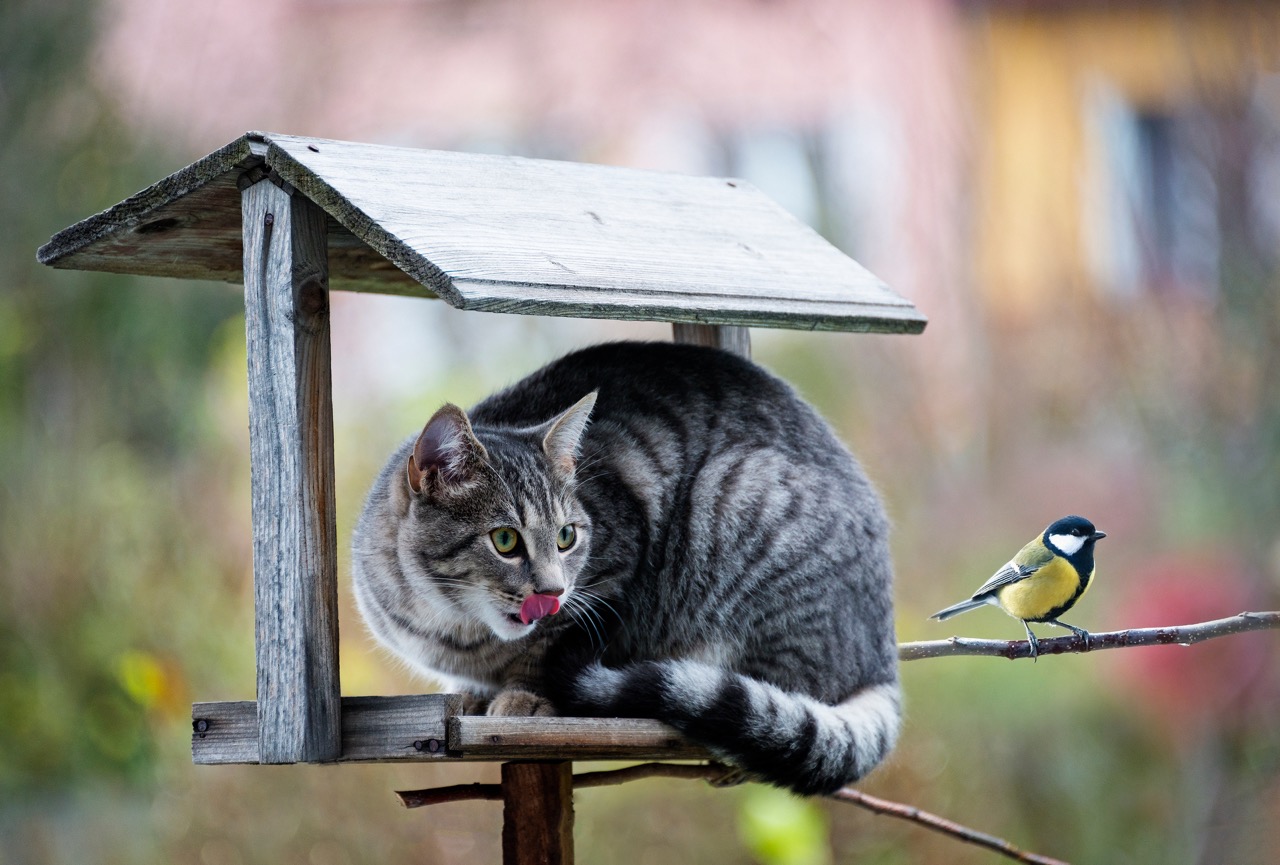
Avian influenza, scientifically known as avian influenza (H5N1), has recently taken alarming measures, spreading beyond birds to infect a variety of mammals, including cats and dairy cows. This development has raised serious concerns among health professionals and pet owners alike, highlighting the need for more vigilance and preventative measures.
A Widespread Story
Since its emergence, bird flu has been a threat to birds. However, recent reports indicate that the virus has crossed species boundaries, infecting mammals such as sea lions in South America, US dairy cows, and now, domestic cats. The Centers for Disease Control and Prevention (CDC) has documented several cases of H5N1 in mammals, marking a worrisome change in the behavior of the virus.
How Cats Are Affected by H5N1
Cats are especially vulnerable when they come into contact with birds or other animals. The virus can be spread by ingesting infected birds or being exposed to a contaminated environment. In March 2024, five cats in Texas were diagnosed with H5N1, all of which succumbed to the disease, indicating the severity of this animal outbreak.
Human Health Implications
Although the main concern has been the health of the animals, there is a potential danger to humans. The CDC has reported what may be the first documented case of bird flu being transmitted from a mammal (cow) to a human. This case happened on a dairy farm in Texas, which caused increased vigilance and preventive measures for those who work around animals.
Preventive Measures
To protect both pets and people, the CDC recommends several precautions:
- Avoiding Contact with Sick Animals: People should avoid sick or dead birds and other animals. This includes avoiding areas that may be contaminated with the virus.
- Proper Hygiene Practices: Avoiding exposure to animal feed and not consuming raw milk are important steps. Pasteurized milk is safe to drink as the pasteurization process kills bacteria.
- Personal Protective Equipment (PPE): Those working with potentially infected animals should wear appropriate PPE to reduce the risk of infection.
- For cat owners, the only way to keep your pet away from sick birds is to keep them away from birds altogether. That may mean keeping them indoors or in the catio for now.
Monitoring and Feedback
The CDC and other health organizations are closely monitoring the situation. More than 550 people who may have been exposed to infected animals are being monitored closely, with tests being carried out on those showing flu-like symptoms. Surveillance programs are also being developed to detect any unusual trends in flu-like illnesses, especially in regions with known outbreaks.
The conclusion
The spread of bird flu in cats and other animals means a significant change in the nature of the virus. It is important that pet owners and those who work with animals stay informed and take precautions to protect themselves and their animals. As the situation evolves, continued monitoring and following health guidelines will be key to reducing the impact of this outbreak.
For more information, you can read the full articles on the CDC website and The World. If you found this article interesting, you may also be interested in cat and bird solutions or any catio that is right for you and your cat.