

Whether Sumo deadlifting or regular deadlifting is more beneficial is a question many trainers get every day. Both types are classic muscle builders. To get to the point, both sumo and traditional styles have their place in the training cycle. Deciding which one to do, or whether you’re considering doing both will depend on several factors. In this blog, we will not only discuss those features, but also take a deeper look at the differences between the two. Hopefully, this will help you decide which option is best for you.
Important Things to Consider First
When deciding whether a sumo or regular deadlift is the best choice for you, there are several factors to consider. Read on to see what those features are.
• The muscles you are looking to train
• Your flexibility and hip structure
• Your injury record: In other words, if you are injured consider what type of injury and where it occurred before making a decision.
• Which style suits you best
Once you’ve looked at these features, it’s time to move on to the similarities and differences between the two.
Some Similarities Between Sumo and Conventional Deadlifts
It is important at this point to note that although the two styles are very different, they have similarities between them as well. Below you will find a breakdown of the similarities between these two types of death.
-
Building Muscle Tension
For both of these lifts, muscle strength is important. You’ll want to make sure you get the most from the starting point. It is important to note that you cannot create tension in the same way as you do in other lifts. If you fail to have that muscle strength at the beginning of your lift, both of these styles will not work.
Another similarity between sumo and regular deadlifts is the deadlift. For most people, the blackout will happen all at once. What this means is that the knees and hips will lock together. There are a few exceptions to this, but for the average person, this will be true.
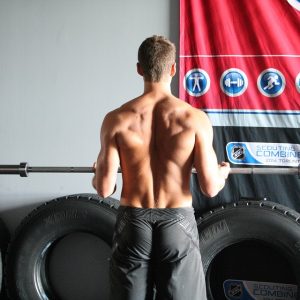
Clear Differences Between Sumo and Conventional Deadlifts
Now, now that we know what the similarities are, let’s move on to the three differences between sumo and normal in our next section.
Because of the wide stance, the sumo lift has a 20 to 35% smaller range of motion than a regular lift. This translates into more mechanical work being required in standard lifting and sumo lifting. It is important to note that this does not mean that one will feel more comfortable with you than the other.
Another important difference between sumo and regular deadlifts is the starting position. This means that the angles of your body will be different for each one. For a normal lift, you’ll have 5 to 10% more forward lean than a sumo. With the sumo deadlift, your shoulders will have a bar.
Finally, and perhaps the most important difference is the muscles used between the two.
A common method uses multiple spinal erectors. Sumo uses the quads more. There are several different factors to consider, but this is the gist of it.
There are several ways you can decide which of the two is best for your lifting needs. These are listed below.
• Your hip structure
• The strength of your body
• Your height
• Your body weight
• Your gender
• Your muscle strengths and weaknesses
Here’s What Some Coaches Are Saying
Trainers’ opinions differ as to which lift works best. Some swear by the sumo method, while others start new athletes with a standard deadlift to see how they do. Regularity is also a good way to see what your weaknesses are, and what needs to be worked on.
Many coaches use what is said on this blog to determine what is best for their athletes. As mentioned earlier, there is a lot that goes into deciding which style of powerlifting is best. So, take your time, do both and make a final decision. Many trainers recommend checking out both before making your choice.

See What Your Doctor Says First
As with any type of lifting or exercise, it is best to see your primary health care provider. Make an appointment with your doctor to determine if powerlifting is the best choice for you. Some conditions and injuries mean that powerlifting is not a good idea. Your doctor can help you decide if it’s for you.
It is also important that you follow all safety precautions when lifting. Following these safety precautions is important whether you are doing sumo or standard deadlifts.
If you are an athlete who cares a lot about your deadlift strength, the choice between the two will be very important to you. The biggest factor to consider when choosing is which one makes you feel most comfortable. How comfortable you are will depend a lot on the shape of your hips, so make sure you figure that out before moving forward. However, it’s important not to ignore the other choices listed here, as they all boil down to what’s best for you.
One final note is to test whichever method you choose for at least six months, before testing another. This is the only way to decide which one you should stick with from now on. Happy lifting, everyone!